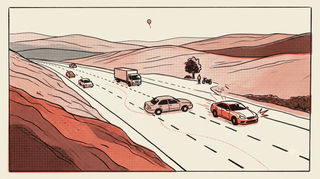
The case against honking, yes, even in Bengaluru
Honking at a red light or a jam moves no one; it only adds stress and noise. What Indian intersections measure on the meter, and the two-use horn rule.
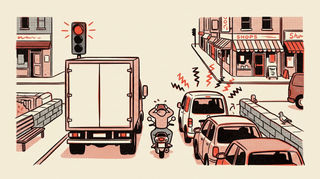
Traffic is India's most public failure of civic sense. Honking, lane indiscipline, signal-jumping, and pedestrian disrespect are daily features of Indian roads. We teach the behaviors that compound to a workable road, without pretending the system isn't broken.
24 lessons 67 min in total
Honking at a red light or a jam moves no one; it only adds stress and noise. What Indian intersections measure on the meter, and the two-use horn rule.
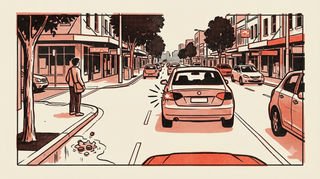
Honking at a red light does nothing; the timer has no horn input. How one horn starts a chorus, the health cost of the noise, and being the quiet car.
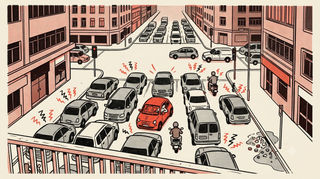
Silence zones ban horns within 100 metres of hospitals, schools, courts and religious sites. The Motor Vehicles Act fine, and how to spot them on the road.
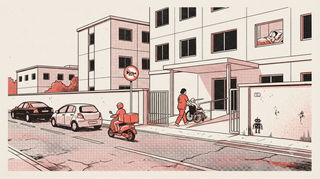
Why one horn tap is usually enough: a second adds nothing the driver lacks. What a car horn measures in decibels, and the 8-count rule before honking again.
Lane markings are a coordination system, not a suggestion. How straddling two lanes turns three into 2.5, and why you should pick a lane early and indicate.
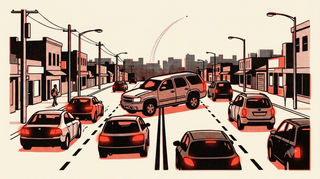
Straddling two lanes feels like keeping options open but removes everyone else's. How it cuts road capacity, and why committing to one lane is faster.
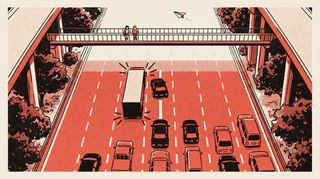
The indicator is information, not a request for permission. Why signalling before you move saves braking distance, and the mirror-indicator-move order.
What red, yellow and green actually mean under Rule 122: stop before the line, go only when clear, and no left turn on red without a Free Left sign.
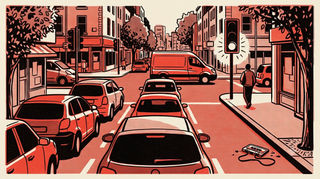
Yellow means stop if you safely can, not speed up to beat the red. Why running it is a dangerous-driving offence, and the lethal crashes it causes.
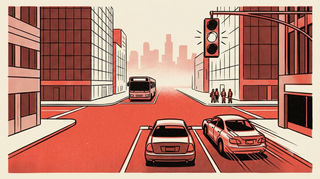
How the pedestrian walk signal works: cross on the white figure, wait on the red hand, skip a short countdown, and the driver's duty to yield while turning.
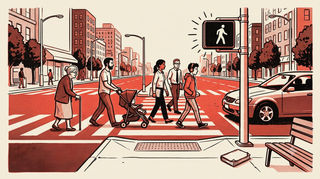
At a zebra crossing the pedestrian has right of way, whatever the signal. The yield order, India's pedestrian death toll, and why a few seconds cost nothing.
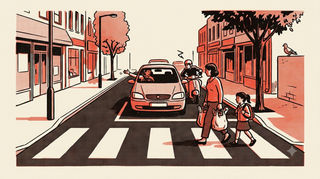
Turning right, look at the crossing first, then oncoming traffic. Why the pedestrian sits in your blind spot, and how to avoid a severe right-turn crash.
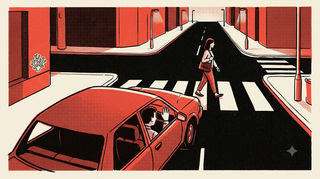
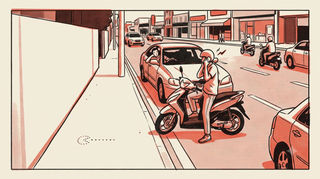
Parking on a footpath transfers your problem onto someone else's body, forcing prams, canes and wheelchairs into traffic. Park on the road, not the path.
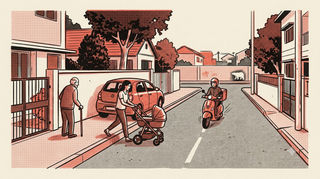
What a school-zone sign requires: slow to 25 km/h during school hours, obey no-parking near gates, and the Section 183 fine for speeding past children.
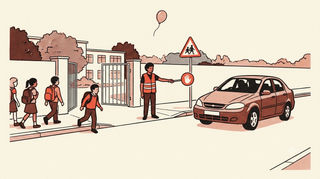
How not to be the school-pickup chaos: pull to the front of the zone, load or unload in one move, then leave, and never double-park at the gate.
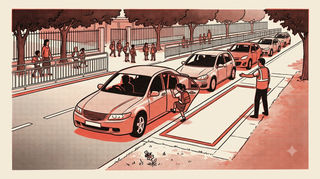
No-parking zones each have a reason: bus-stop clearance, intersection sight lines, hydrant access. How one parked car backs up a whole street, and the law.
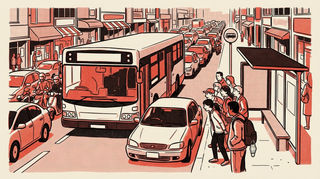
Double parking blocks another driver in and narrows the road to one lane. The real cost in other people's borrowed time, and the legal hazard-light option.
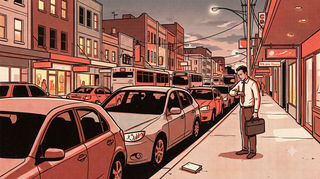
How to parallel park without wasting a slot: tight to the rear car, clearance in front. The two-minute technique, and why to recheck your gap before leaving.
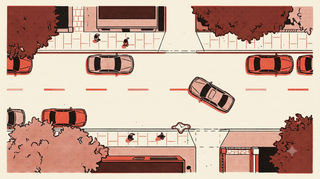
Riding a two-wheeler on the footpath steals space from people who have no alternative. The share of two-wheelers in road deaths, and why to wait in lane.
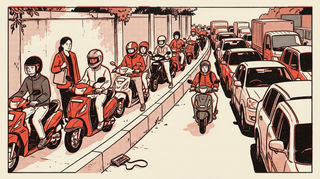
A helmet with an unfastened strap is decoration, not protection. The law for rider and pillion, the six-times survival gain, and why short trips still count.
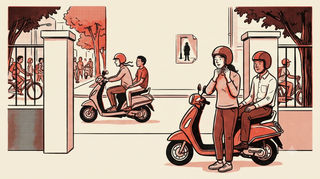
Why three on a two-wheeler ends badly: the law allows one pillion, a third changes braking and handling, and the child up front has no crash protection.
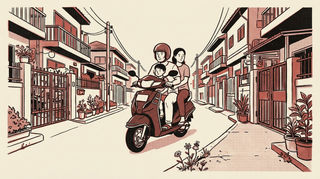
Drunk driving in India: the 30 mg BAC limit, the fine and jail for a first offence, and why a ₹150 cab home is the easy maths against a ₹10,000 fine.
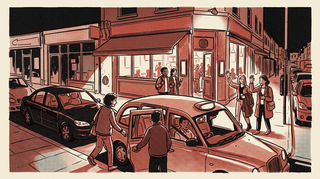
When a siren is behind you, check your mirrors and pull left. The Motor Vehicles Act fine for not giving way, and why moving 1.5 metres clears a lane fast.
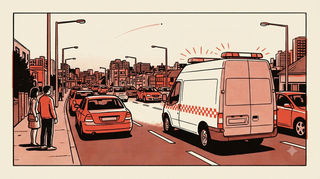
What city driving instinct gets wrong on the highway: keep left, overtake only on the right, leave a 2 to 3 second gap, and why weaving turns lethal at speed.