Queueing in international contexts: the global default
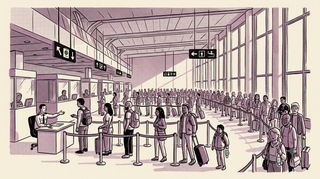
The international-default queue: single-file, a metre apart, quiet, no racing to a new counter. How to read and join queues politely when travelling abroad.
Civic behaviors that hold across most international destinations. Learn this once, use it everywhere.
12 lessons 40 min in total
The international-default queue: single-file, a metre apart, quiet, no racing to a new counter. How to read and join queues politely when travelling abroad.
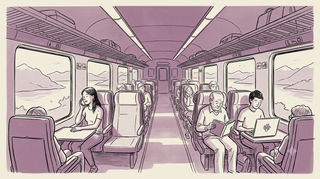
Speakerphone calls, reels and video audio carry a quiet default across most countries, and UK railway byelaws make it law. The one rule that travels everywhere.
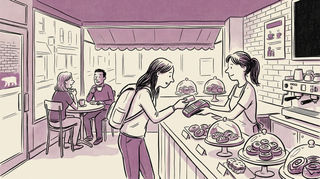
Tipping abroad runs on three systems: wage-funded, gesture and no-tip. How travellers classify an unfamiliar country from the menu, bill and card machine.
Hygiene norms abroad are placed differently, not set higher. What Singapore law bans, what Japan permits at the table, and the one rule that travels everywhere.
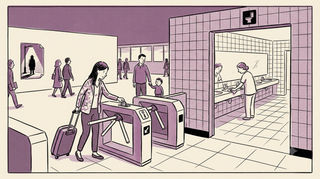
Some cities charge for a public toilet and some do not. What German stations cost, why Paris sanisettes are free, and the coins and habits to carry abroad.
Across 42 countries the average preferred distance from a stranger is about 135 cm, not 60. Why personal space tracks climate and habit rather than wealth.
Deutsche Bahn counts a train on time if it is under six minutes late, and still missed that bar four times in ten. What punctuality abroad actually asks of you.
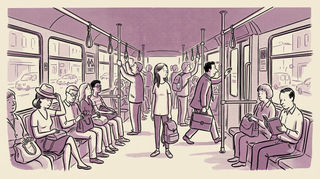
Feet off the seat, no held doors, audio in headphones. The transport rules Sydney, New York and London enforce, what each fines, and where food is allowed.
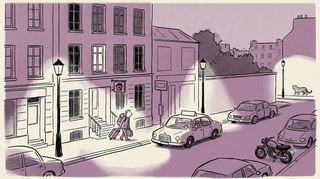
Hotel etiquette abroad: why corridors count as sleeping space, which room items a guest may take home, what smoking indoors costs, and the checkout sweep.
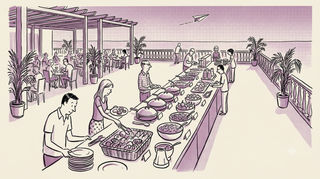
Buffet etiquette abroad: the serving spoon stays with its own dish, a fresh plate on each trip, and why a tall plate goes cold long before it gets eaten.
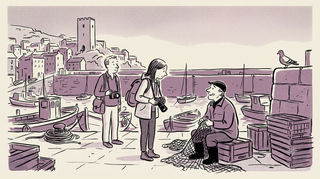
Photographing strangers abroad is a legal matter in some countries. What UAE law says, why the Louvre bans flash, and where cameras must stay in the bag.
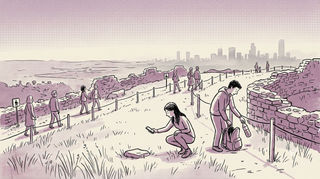
Pocketing a stone, stacking rocks for a photo and leaving a bottle behind all cost a heritage site the same thing. What park rules and Indian law say.