The 90-minute rule: and why showing up at minus-30 is not a flex
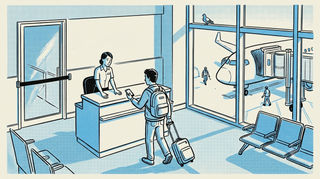
Reach a domestic terminal 90 minutes before departure to clear three separate deadlines: check-in, security, and the boarding gate that shuts 25 minutes prior.
Indian air travel grew faster than Indian air-travel etiquette. The result is the most visible globally-shareable evidence of civic friction. We teach the airport-to-airport sequence end to end, with calm and specificity.
19 lessons 55 min in total
Reach a domestic terminal 90 minutes before departure to clear three separate deadlines: check-in, security, and the boarding gate that shuts 25 minutes prior.
Web check-in for an Indian domestic flight opens 48 hours before departure and closes 60 minutes prior. Skipping it adds a counter deadline you did not need.
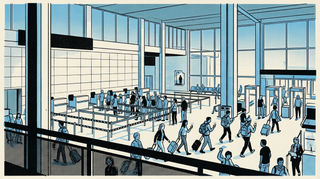
The airport bag-drop counter is a fast lane for flyers already checked in, within the 15 kg limit, with power banks moved to the cabin bag. What to do first.
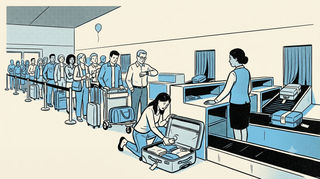
How to clear airport security fast: what comes out of your bag and in what order, the 100 ml liquids rule, and why power banks fly cabin-only.
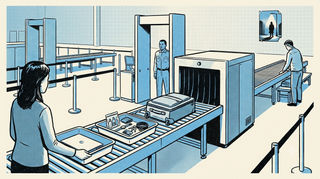
Where power banks, spare lithium batteries, and lighters can fly: the cabin-only rule, the 100 Wh math, and what Indian aviation security bans outright.
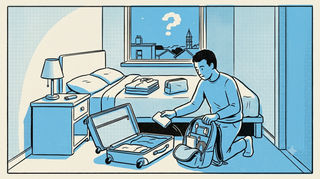
How airline boarding zones actually work: why the aisle, not the gate, is the real bottleneck, what boarding research shows, and the calm way to board.
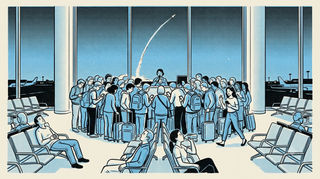
Why the aisle seat makes you your row's doorman: what boarding research says about seat interference, and the 60-second clearance that speeds boarding.
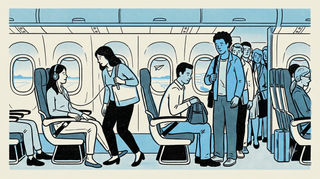
Overhead bins are shared space: one bag per person near your row, the second under the seat. How to pack and find space without hogging the bin.
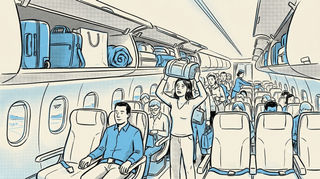
When reclining your plane seat is fine and when it isn't: never during meals, the short-flight default, and the one-glance warning that settles it.
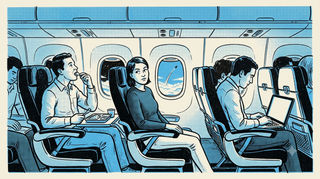
Aircraft lavatory etiquette: what goes in the bowl versus the bin, why vacuum toilets jam, the 20-second exit routine, and what smoking mid-flight costs.
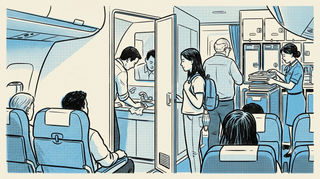
In-flight meal service on Indian airlines: pre-ordering special meals 24 hours ahead, deciding before the cart arrives, and why the seat pocket is not a bin.
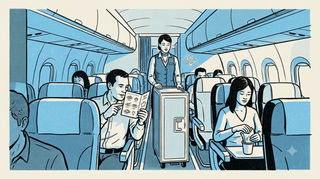
A nine-step prep for flying with kids: seats booked together, a seat-level kit, offline entertainment, and feeding on descent to ease ear pain before it starts.
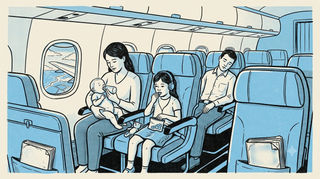
Flying with an infant on Indian airlines: how bassinet seats are requested, why child meals close 24 hours out, and the headphone rule for kids' screens.
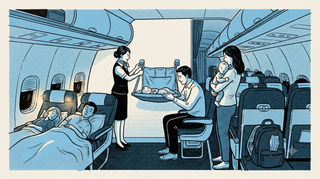
Deplaning etiquette explained: why rows in front exit first, what the aisle rush actually saves, and the country now fining passengers who stand too early.
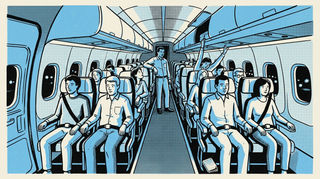
Why crowding the baggage carousel slows everyone down, and the meter-back rule that lets every arriving passenger see the belt, spot their bag, and clear it fast.
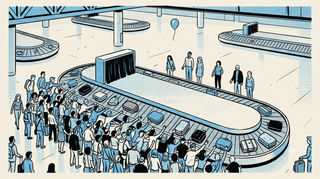
India allows Rs 50,000 of duty-free goods, 2 litres of alcohol and 100 cigarettes. When to walk the Green Channel, when to declare at Red, and what going over costs.
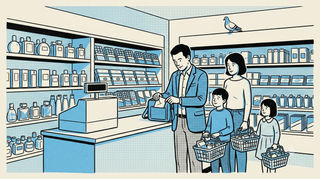
The Green Channel is a legal declaration, not a shortcut. What forces a Red Channel walk in India: gold, satellite phones, drones, forex, and advance filing.
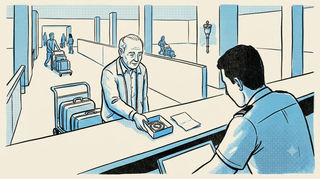
Long-haul flights roughly double the clot risk of sitting still. How to hydrate, move each hour, and set the seatmate truce so a long cabin stays civil.
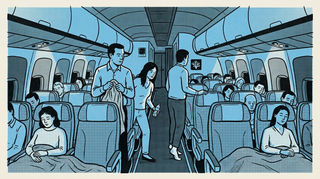
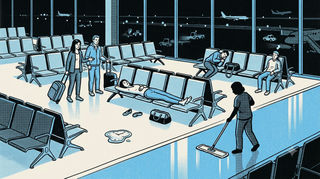
How to handle a long airport layover: why lounges cap your stay, sleeping in the terminal without hogging a whole row, and the transit survival kit that helps.