The cab driver, the meter, and the route
TL;DR
- On an app cab the fare is set when you book, so a longer route usually costs the driver, not you.
- The route comes from the app's live traffic data; trust it, and ask at most once, calmly.
- Your rating is real power: five stars for a normal safe ride, low marks only for genuine problems.
- Don't game cancellations or cash; the rules exist for both sides, so wear your own small fees.
Contents
The moment
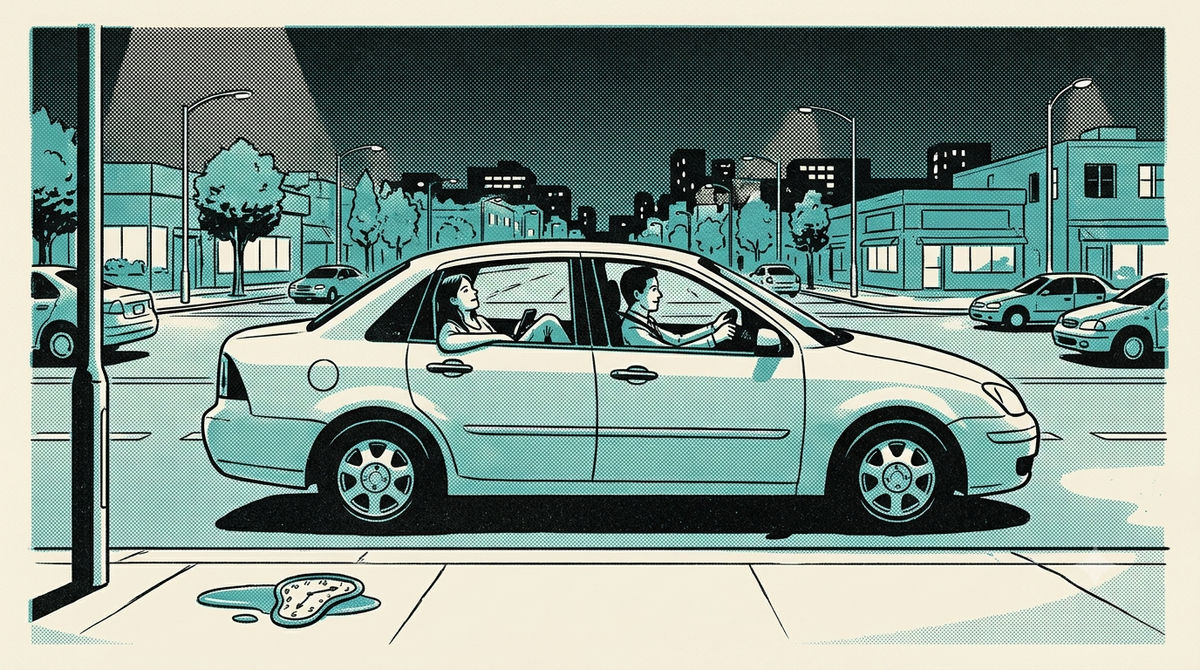
It's 9 pm, you book a cab, and three minutes in you are sure the driver is going the wrong way. The blue line on your phone said left, he went straight. You lean forward and ask, a little sharp, "Why this route?" He says traffic. You stay tense the whole ride, watching the map like a hawk, convinced you are being taken for a longer trip. At the end you give three stars, just in case.
What's actually happening
Two quiet assumptions are running in your head. The first is that a longer route means a bigger fare, so the driver gains by detouring. In an app cab, that is mostly not true. The price was set when you booked, on the distance and time the app estimated, not on a meter ticking in his favour. A detour usually costs him fuel and minutes, not you money.
The second assumption is heavier. You are treating the driver as a small adversary to be watched, when he is a person doing a job whose pay and rating you partly control. That three-star rating you gave "just in case" is not a private note to yourself. Drivers below a cut-off get fewer rides, or get deactivated. A shrug from you can be a bad week for him.
What works better
Trust the system you booked. The app picked the route from live traffic data. If he varies from it, it is usually because he knows a jam you cannot see from the back seat. If you genuinely think something is off, ask once, calmly, and listen to the answer.
Pay the fare as agreed. If the app shows cash and you have it, do not make him chase change, and do not ask him to cancel so you skip a fee. The cancellation rule exists for both of you. Gaming it just pushes the cost onto him.
Rate honestly, not defensively. Five stars is the right default for a normal, safe ride. Drop it only for something real, a genuine safety or rudeness issue, not for traffic or for your own mood. If a ride was good, say so in the rating. It is the cheapest kind thing you will do all day.
Why it matters
App cabs are regulated, not a free-for-all. The Motor Vehicles Aggregator Guidelines, 2020 set how fares, cancellation charges, and driver earnings work, and require that the bulk of each fare actually reaches the driver. The route and the price are not his private lever to pull.
The rating, though, is your lever. Most platform drivers earn modest, variable pay for long hours, and their standing on the app decides how much work comes next. The route anxiety in your head costs you one tense ride. A careless rating can cost the driver real income. Those two things are not the same size.
Try this next time
On your next ride, put the phone down once you have confirmed the driver and the car. Let the app route the trip. If you must ask about a turn, ask once and accept the answer. At the drop, if nothing went wrong, give five stars before you walk away. It takes four seconds, and it is the part of the ride the driver actually feels.
Quick check
1. You're in an app cab at a fixed upfront fare, and the driver takes a turn that doesn't match the route on your phone. What's the fair read of the situation?
Select an answer.
2. Your cab arrives but your plans changed and you no longer need it. To dodge the cancellation fee, you think about asking the driver to cancel from his end. What's the better move?
Select an answer.