The 1-star review as a small act of cruelty (or fairness)
TL;DR
- A rating is not a diary entry, it is a price signal. On a business with 38 ratings, one tap moves the number everyone else sees.
- Rate the party responsible. If the delivery was late and the food was fine, the kitchen is not the target.
- Give the business one chance to fix it before you rate. A review that arrives after a refused fix carries far more information.
- Specific and dated helps the next customer. 'Owner is a cheat' helps nobody and is the sentence that carries legal exposure.
Contents
The moment
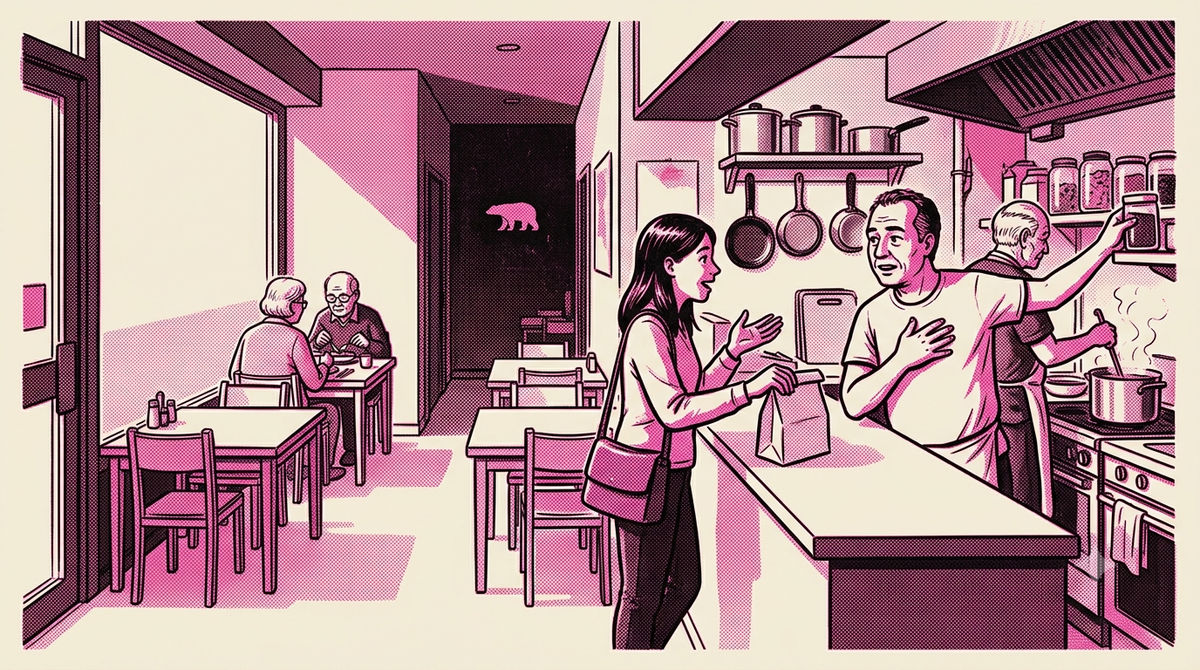
Your order lands fifty minutes late and lukewarm. The app opens a rating screen before you have finished being annoyed. One tap sets one star. A text box appears. You type: "Worst place ever. Owner is a cheat. Nobody should order from here." Post. The whole thing takes eleven seconds. The restaurant is a four-table kitchen with 38 ratings, sitting at 4.1.
What's actually happening
You did not write a diary entry. You moved a price signal. At 38 ratings, one star pulls 4.1 down to 4.0 in a single tap, and the next hundred people scrolling see the new number, not your evening.
There is a second slip. The thing that made you angry was the delivery window. The person absorbing the star runs the kitchen. Two different parties, one instrument, aimed at whoever the interface put under your thumb.
That is the whole mechanism. A complaint that once needed a phone call and an awkward conversation now costs less effort than tying a shoelace. The weight of the act has not dropped. Only the friction has.
What works better
Three questions, about twenty seconds in total.
Food or logistics? Rate the party responsible. Delivery apps carry a separate delivery rating for exactly this reason.
Did they get a chance? One message to the business, or one support ticket, before the rating goes up. Most complaints end here, resolved. A review that arrives after a refused fix carries far more information than one that arrives instead of asking.
Is it specific, and is it true? "Paneer arrived cold, fifty minutes late, Tuesday evening" tells the next reader something real. "Owner is a cheat" tells them nothing, and it is the sentence that carries legal exposure. A concrete accusation you cannot support, published where others read it, is defamation under Section 356 of the Bharatiya Nyaya Sanhita (Source: BNS, 2023).
Also, use the middle of the scale. It has five numbers. Most bad evenings are a 3.
Why it matters
The honest bad review is a real civic instrument, and India treats it as one. IS 19000:2022, the Bureau of Indian Standards' review standard, puts duties on review authors alongside platforms. It also requires that moderation be independent of what a review says. And it asks that reviews be published as quickly as reasonably possible, positive or negative alike (Source: Bureau of Indian Standards). Compliance is voluntary, but the direction is plain: your negative review counts because it is meant to be information.
Which is exactly why the careless one costs something. In US restaurant data, a one-star rise in rating produced a 5 to 9 percent rise in revenue, and the effect appeared only for independent restaurants. Chain outlets were unmoved (Source: Luca, Harvard Business School). The small kitchen absorbs the full force of your tap. The chain does not feel it. India has no study this clean, but the arithmetic of a 38-rating business does not change at the border.
Try this next time
Before you tap one star, send one message to the business and wait a day. If they fix it, you have your evening back and they keep their number. If they don't, write the review with a date, a dish, and no adjectives. Default to the review that helps the next customer, not the one that settles your mood.
Quick check
1. Your food arrives cold because the delivery rider took a 50-minute detour. The cooking was fine. The app asks you to rate the restaurant, and separately to rate the delivery. What actually helps?
Select an answer.
2. A salon genuinely botched your appointment: two hours late, and the staff refused to discuss it when you raised it. They have 22 reviews. You feel bad about hurting a small business. What's the move?
Select an answer.