The Instagram comment as public-square speech
TL;DR
- You type in a private room and publish in a public square. The comment carries only your words, read at their harshest.
- To you it's one comment written in eight seconds. To the person it's comment number 147 saying the same thing.
- Disagree with the claim, not the person: one comment, a source, zero adjectives, then leave.
- Comments are speech in law. Defamation under BNS Section 356 carries up to two years, a fine, or community service.
Contents
The moment
It is 11:40 pm and you are in bed, lights off, one thumb scrolling. A reel surfaces from a fitness creator you do not follow, making a claim you know is half wrong. The comment box sits right there. You type: "Do you even read? Embarrassing." Your thumb hovers over Post. The room is private. The sentence is not.
What's actually happening
The mismatch is the whole trap. You are typing in the most private space you own and publishing in the most public one that exists. Face-to-face disagreement travels with a tone, an expression, a shared room. A comment strips all three and ships the words alone, read at their harshest. Scale is invisible from your side too. To you, this is one comment, dashed off in eight seconds. To the creator, it is comment number 147 saying roughly the same thing, and they will read yours in bed as well. The algorithm has also done its part: it surfaced the reel to you because provocation holds attention, and it will do the same with your reply.
What works better
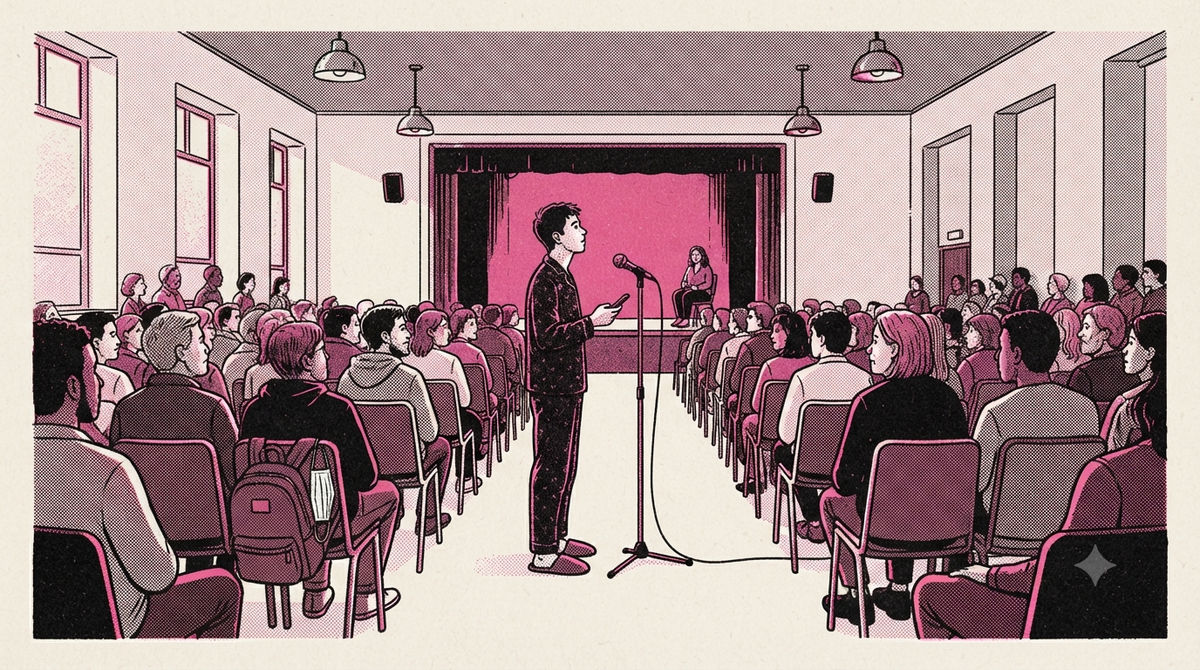
The public-square test. Read your comment in your own voice and ask one question. Would you say this sentence, in this wording, into a mic, in a hall of 500 strangers, with the person on stage? If yes, post it. If not, redraft the wording, not the opinion.
Then the mechanics. Disagree with the claim, not the person. If it is a factual error, one comment does the work: the correction, a source, zero adjectives. Skip the thread war; replying to replies converts eight seconds into an afternoon. And silence is a full option. Not every wrong opinion on the internet is your shift.
Instagram's own "Are you sure you want to post this?" nudge exists because a beat of reflection makes some people withdraw or soften the comment (Source: NBC News). You can run that nudge yourself, free, before the platform does.
Why it matters
A comment is speech in law, not vapour. India's defamation provision covers imputations by words "spoken or intended to be read," which includes the words under a reel. It carries up to two years' simple imprisonment, a fine, community service, or a combination (Source: Bharatiya Nyaya Sanhita, 2023, Section 356). Most harsh comments sit nowhere near that line. The civic cost arrives much earlier. In the US, 41% of adults report experiencing online harassment, and 75% of those targeted say the most recent incident happened on social media (Source: Pew Research Center). India has no survey this clean, but the mechanics do not change at the border. Comment sections manufacture that number eight seconds at a time.
Try this next time
The next time you disagree under a post, write the comment, then read it aloud once before posting. If it survives the mic, send it. If it does not, fix the wording and keep the disagreement. Default to the comment you could deliver on stage.
Quick check
1. A cooking creator posts a reel claiming pressure-cooking dal destroys all its protein. You know this is wrong. Which comment actually helps?
Select an answer.
2. Which of these crosses from rude into legally risky under Indian law?
Select an answer.