Photographing kids who aren't yours
TL;DR
- Your own child is your call. For everyone else's kids, the yes belongs to their parent, before it goes public, not before you record.
- An identifiable face plus a school tag plus a public account is enough for a stranger to name and locate a child.
- Crop or blur kids you cannot vouch for, drop the school and location tags, and keep child-heavy clips to close friends.
- If a parent asks you to take it down, take it down first and talk later. Under the DPDP Act a child is anyone under 18.
Contents
The moment
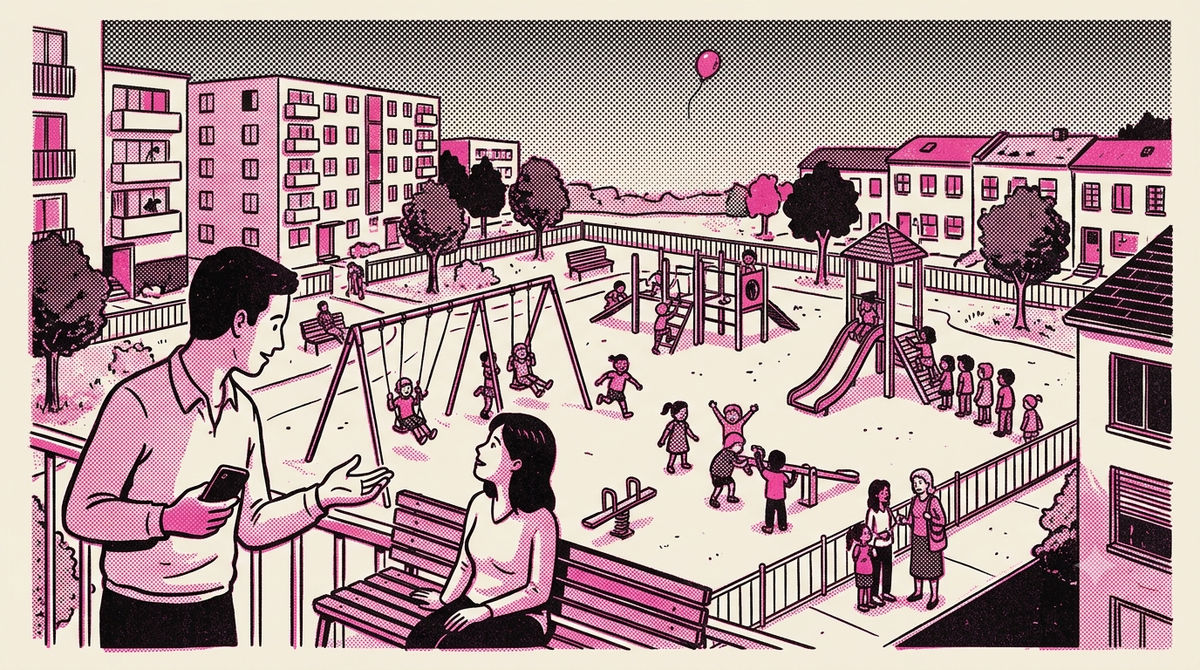
It is a friend's daughter's birthday, or a school annual day, or an ordinary evening at the park. A cluster of children are doing something genuinely adorable. You film ten seconds for your story. Half the children in the frame are not yours and not your friend's; you do not know their names. You add a caption, tag the school, and post to your public account. It is sweet, it gets likes. Somewhere in that clip are three or four kids whose parents never said yes, and were never asked.
What's actually happening
"It is so cute" is quietly making a decision that is not yours to make. Young children cannot give consent, and their parents did not either. The problem is not your affection; it is the reach. An identifiable face, plus a school name, a location tag, and a public account, is enough for a stranger to name a child, place them, and follow their week. You would spot the risk instantly if it were an adult you did not know. Children get less caution, when the honest answer is they deserve more.
What works better
Draw a clean line between your own child and everyone else's. Your kid, your call. For other people's children, the yes belongs to their parent, and the moment that matters is before it goes public, not before you press record. So capture the memory, then choose privately. Crop or blur the children you cannot vouch for, drop the school and location tags, and keep child-heavy clips to close friends. At any gathering, assume the other parents have not consented until one of them tells you otherwise. And if a parent asks you to take something down, take it down first and discuss later, if at all. It is their child, not your content.
Why it matters
India's data-protection law now puts the principle in writing. A "child" means anyone under eighteen. An organisation must get a parent's verifiable consent before processing a child's personal data, and an identifiable photo counts (Source: DPDP Act, 2023, Sections 2(f) and 9). For a person casually posting, the law is gentler. But the logic it encodes is exactly the etiquette: consent for a child's image sits with the parent, not the person holding the phone. And once it is up, control is gone. As UNICEF notes, once you upload an image you can no longer control how it is copied or reused. Features like a visible school logo make a child easy to identify (Source: UNICEF, sharenting).
Try this next time
Before posting any photo or clip with a child who is not yours, run a two-second check. Is any child identifiable, and did their parent actually say yes to this being public? If either answer is no, crop, blur, or keep it private. Better still, send the parents one message. Try: "Happy to share today's photos privately, and tell me if you would rather your child is not posted." One message clears the whole event. Be the adult other parents trust with a camera.
Quick check
1. At a school annual day you filmed a group dance with many children and posted it to your public account with the school's name in the caption. Under India's data-protection law, what is the cleanest problem with that?
Select an answer.
2. A parent messages you: 'Please take down the reel, my daughter is in it.' You think the clip is completely harmless. What is the right first move?
Select an answer.