Schengen public transport: the trust system
TL;DR
- Most Schengen trams, buses and metros have no barriers. Nobody stops you at the door, and the fare is still due.
- Buying the ticket is only half of it. Where the system asks you to validate, an unvalidated ticket counts as no ticket.
- Vienna charges €135 on the spot, €145 within two weeks, €185 later. Roughly ₹15,000, riding on a tap you skipped.
- Left your season pass at the hotel? Berlin gives you seven days to prove it, Vienna two weeks. In Vienna, paying anonymously on the spot forfeits that waiver.
Contents
The rule
Buy the ticket before you board, and validate it where the system asks you to. Most Schengen transport has no gates. The absence of a barrier is not the absence of a fare.
Why this rule exists
Indian metros put the enforcement at the door. The gate opens for a valid ticket and stays shut for everything else, so the machine does the checking.
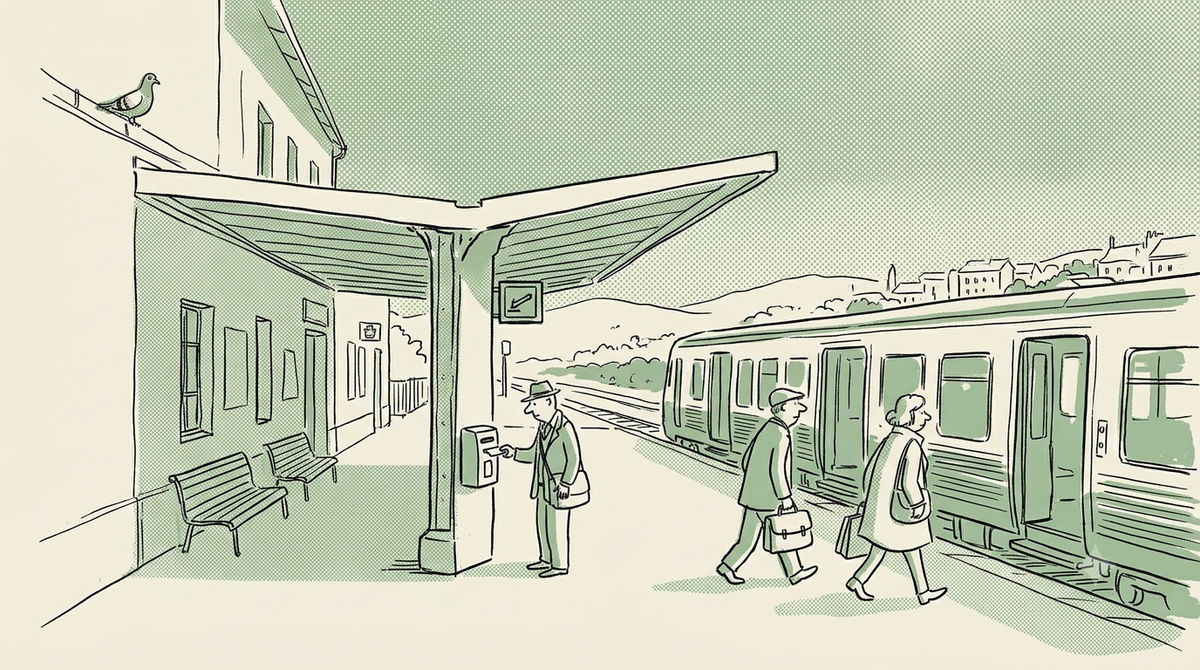
Much of the Schengen area runs the opposite design, called proof of payment. You walk onto the tram, nobody stops you, and the doors close. The check comes later and at random, from an inspector who boards mid-route.
It holds because the obligation starts before the check. Vienna's conditions of carriage say your contract begins the moment you board a tram, or pass the metro validators even if you never get on a train. Berlin's BVG puts it in one line: every passenger is required to have a valid ticket.
Validation is the part visitors miss. A ticket bought is not always a ticket started. Vienna requires a validated ticket from the barrier or from boarding. On Trenitalia's regional services, a paper single must be stamped at the departure station before the train leaves, and then runs four hours. Buy it at breakfast, board at six unstamped, and you are travelling without a ticket.
What happens if you don't follow it
Financial. Vienna charges an additional transport fee of €135 on the spot, €145 within two weeks, €185 after that, on top of the ordinary fare. Roughly ₹15,000, riding on a tap you skipped. Berlin charges €60.
Recoverable, sometimes. Both cities leave a door open for the honest mistake. BVG drops the €60 to a €7 processing fee if you prove within seven days that you held the subscription card left at your hotel. Vienna waives its fee if you show a valid personalised ticket within two weeks.
Social. An ungated tram is a city assuming you will pay without being made to. Vienna's rules run on the same assumption further down the page: let people off first, keep the door areas clear. That is etiquette Indian metros already signpost, holding here with nothing to enforce it.
Quick reference
- No gate does not mean no fare. Buy before you board.
- Validate where asked: Vienna at the barrier or on boarding, Trenitalia regional at the platform machine before departure.
- A Trenitalia paper regional ticket runs four hours from the stamp, not from purchase.
- Keep the ticket until you are off the vehicle.
- Vienna: €135 on the spot, €145 within two weeks, €185 later. Berlin: €60.
- Personalised pass left behind? Berlin allows seven days to prove it. Vienna allows two weeks, but paying anonymously on the spot forfeits that.
- Ticket office shut and machines dead on a Trenitalia regional? Ask the on-board staff before they ask you. That case is surcharge-free.
- A digital ticket must be showable the moment you board. Load it before you lose signal.
Quick check
1. You board a tram in Vienna, ticket bought on your phone that morning but never activated. Two stops later an inspector asks to see it. Where do you stand?
Select an answer.
2. You have a monthly Berlin subscription card, but it is sitting in your hotel room when the inspector reaches you. What is the smart move?
Select an answer.