Carrying a spit-jar: a small dignity restored
TL;DR
- The wall is the improvisation; the vessel is the tradition. Mughal workshops made spittoons fine enough to sit in museums today.
- A workable spit-jar costs about ₹40: opaque, screw lid, tissue at the bottom, rinsed at night.
- Indian Railways estimates it spends around ₹1,200 crore a year cleaning spit stains. Its fix was ₹5 pocket spittoons at stations, not more fines.
- The jar doesn't ask you to quit. It moves the cost of the habit off other people's mornings.
Contents
The moment
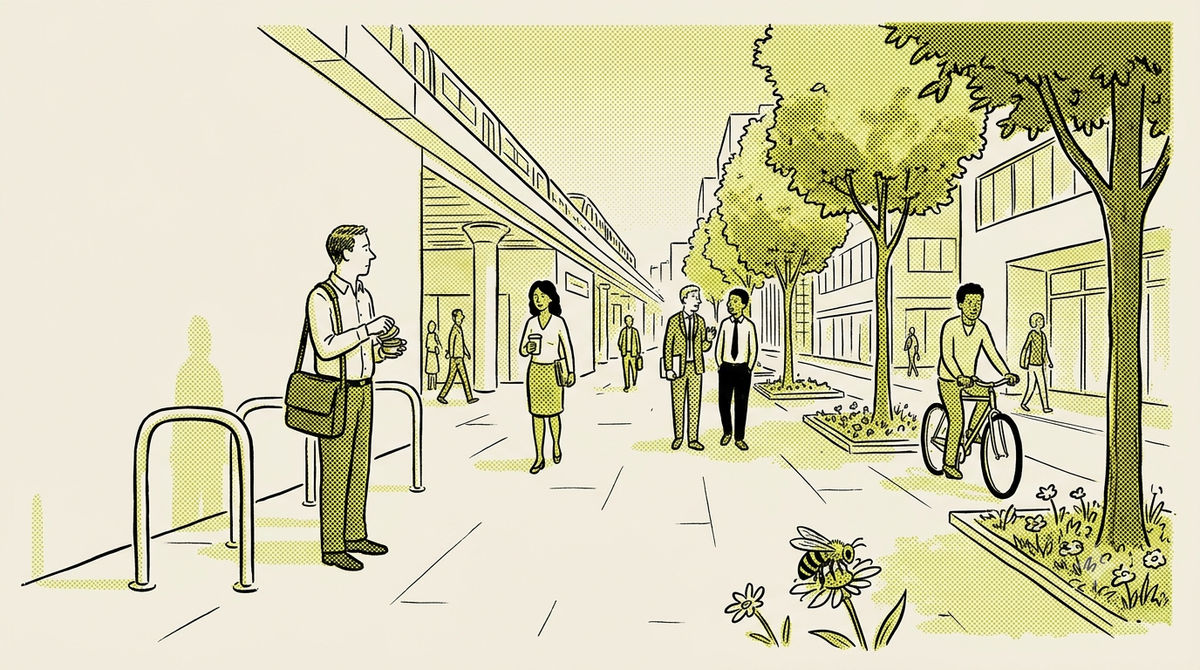
You are walking from the metro exit to your office, the same two hundred metres as every morning. The gutka went in at the station gate, the way it has for eleven years. Now the mouth is full. The wall by the cycle stand is right there, already carrying the record of other people's mornings. Your other option is in the front pocket of your bag: a small steel tin with a screw lid and a folded tissue at the bottom. The whole lesson is which one you reach for.
What's actually happening
Nobody chews paan or gutka planning to mark a wall. About 21.4 percent of Indian adults use some form of smokeless tobacco, per the Global Adult Tobacco Survey 2016-17. For most of them, the spit goes where it goes because nothing exists between the mouth and the destination. The wall is not a preference. It is a default that formed in the absence of an alternative.
Here is what the wall never tells you: spitting into a vessel is the older Indian habit, not the newer one. Mughal workshops made spittoons precious enough that one, carved from a single piece of jade, sits in the V&A museum in London today. Within living memory, the brass peekdaan was ordinary household furniture in many Indian homes. The wall is the improvisation. The vessel is the tradition.
Institutions have started doing this arithmetic. Indian Railways estimates it spends around ₹1,200 crore a year cleaning spit stains, per PTI reporting, and its response was not a bigger fine. It was vending machines at 42 stations selling pocket spittoon pouches for ₹5 to ₹10. The Railways reached the same conclusion this lesson reaches: give the spit somewhere to go.
What works better
Build the jar. Any small container with a screw lid works: a steel dabba, a repurposed supplement jar, a railway-style pouch. Three specs matter. Opaque beats transparent. A lid you can open one-handed beats one that needs both. A tissue at the bottom stops the slosh.
Keep it where the habit lives: bag pocket, scooter storage, desk drawer. Use it without ceremony, close it, move on. Empty it into a toilet at night, rinse it, done. The full cycle takes less time than finding a corner nobody is watching.
If a jar feels like too much on day one, the ₹10 pouch is the bridge. It folds flat, seals shut, and goes into the next bin.
Why it matters
The jar does not ask you to quit. It does not ask you to feel bad. It moves one decision, where the spit lands, from the world's ledger to yours. The lift corner, the stairwell, and the cycle-stand wall each have a cleaner, and the cleaner was never consulted. The jar consults them by never involving them.
That is the dignity in the title. Not the dignity of hiding a habit. The dignity of a person whose habit costs nobody else anything.
Try this next time
Carry the jar for one week. Every time you use it is a time you would otherwise have used a wall, a stairwell, or the road. Count those moments. Whatever your number is by Sunday, that is the number of stains that now don't exist. Keep the jar.
Quick check
1. You've started carrying a spit-jar. At the tea stall, mid-conversation with two colleagues, you need it. Using it in front of people feels awkward. The wall behind the stall is already stained. What's the honest read?
Select an answer.
2. What makes a spit-jar you'll still be using in month three, not just week one?
Select an answer.